A · Control Plane
Production AI agents for companies that need control, not experiments.
Maze Tech designs, builds, and governs agentic systems that use tools, follow approval rules, generate telemetry, and operate inside defined business boundaries.
Palette direction
Command-control composition for executives who need visible operating boundaries.
- Warm ivory
- Charcoal
- Copper
- Dusty olive
The buyer problem
Your teams are already using AI. The question is whether leadership can govern it.
South African companies have moved from AI curiosity to AI exposure. Reports, research, support drafts, analysis, and internal workflows are already being assisted by generative AI. Most organisations still need a clear answer to four questions: who owns the system, what data may it use, what actions may it take, and how is the work checked?
What Maze Tech builds
Workflow-specific agents with the control surface procurement expects.
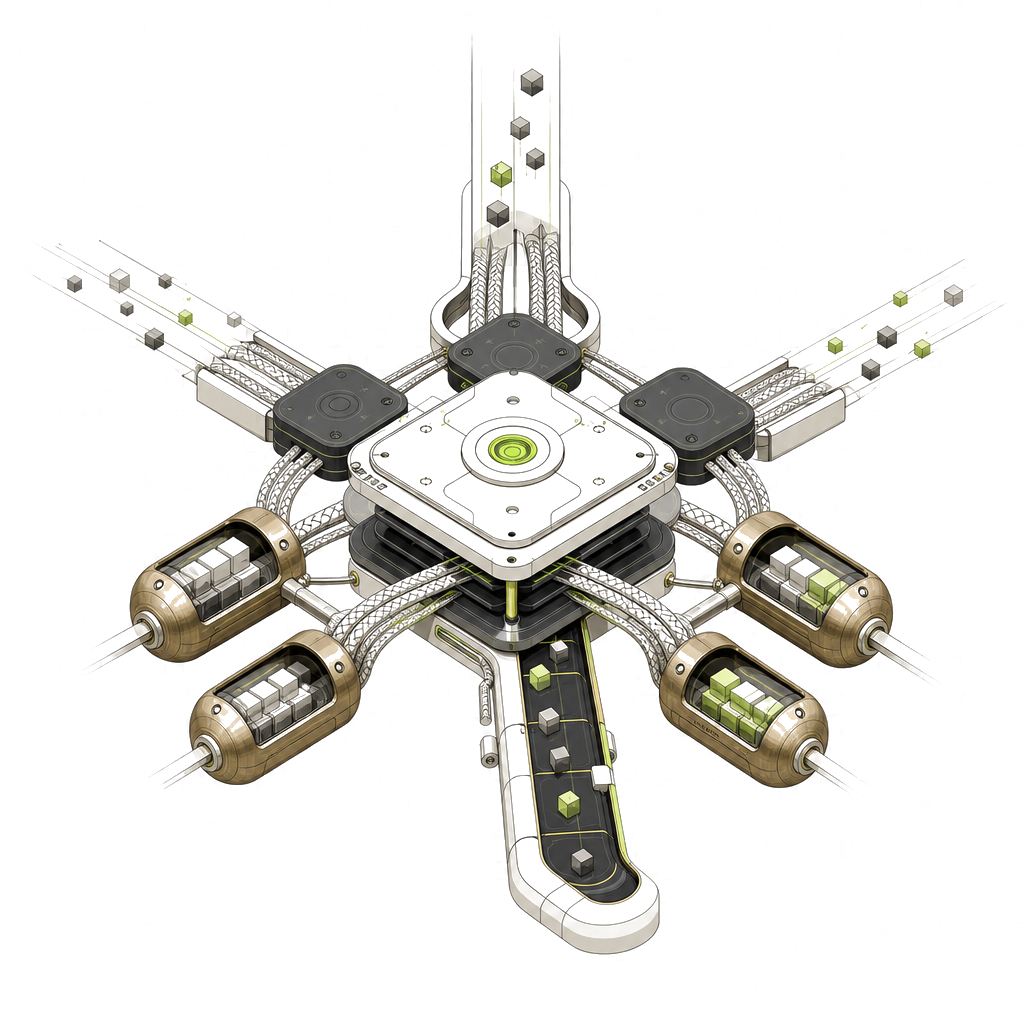
Not chatbots with broad access. Not a model demo dressed as a product. Each system is scoped around an operational workflow, a permission model, an approval path, and a way to prove behavior over time.
Tool-using agents
Agents connected to APIs, documents, CRM/ERP surfaces, support queues, and internal tools.
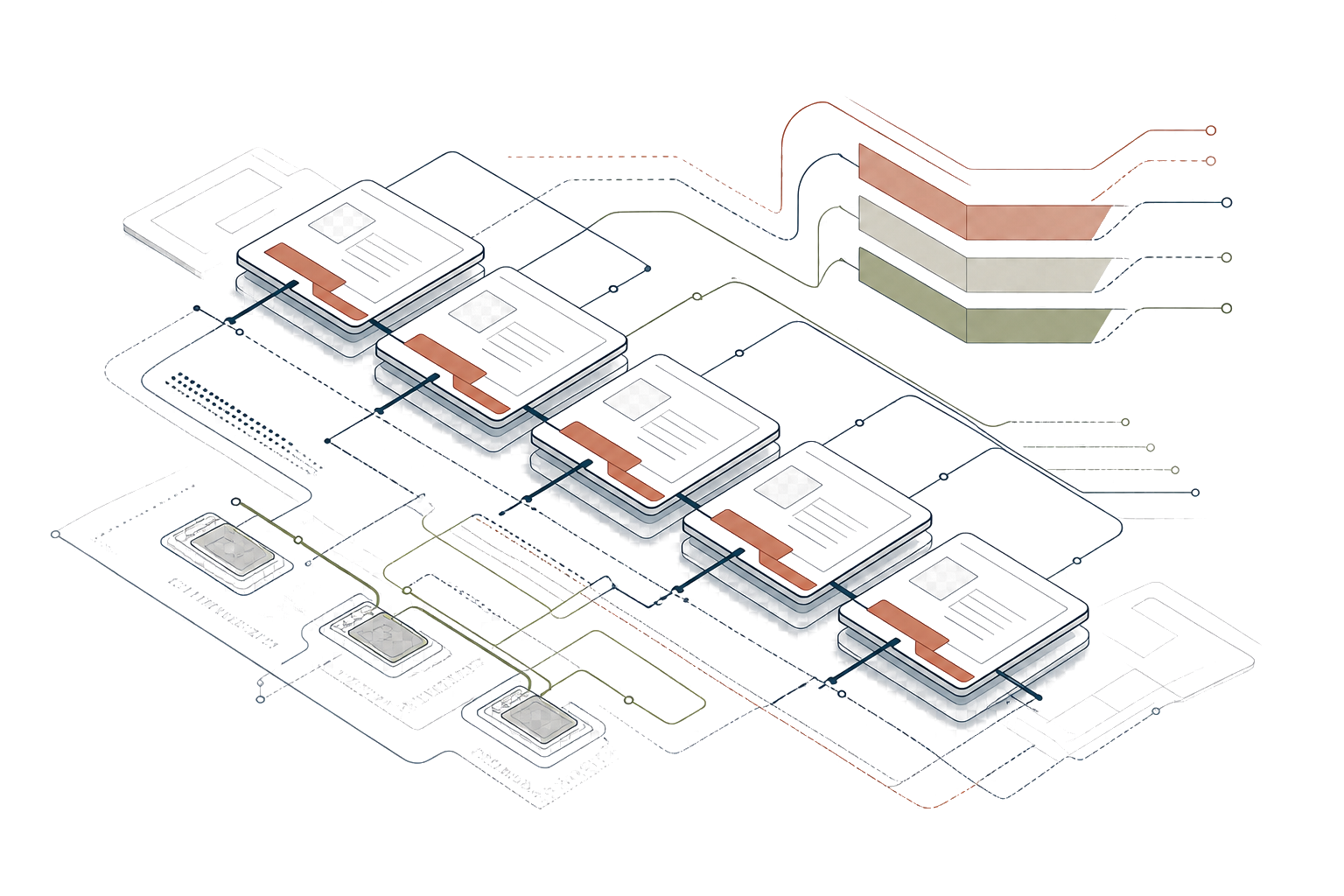
Approval-gated workflows
Human checkpoints for financial, customer-facing, legal, or hard-to-reverse actions.
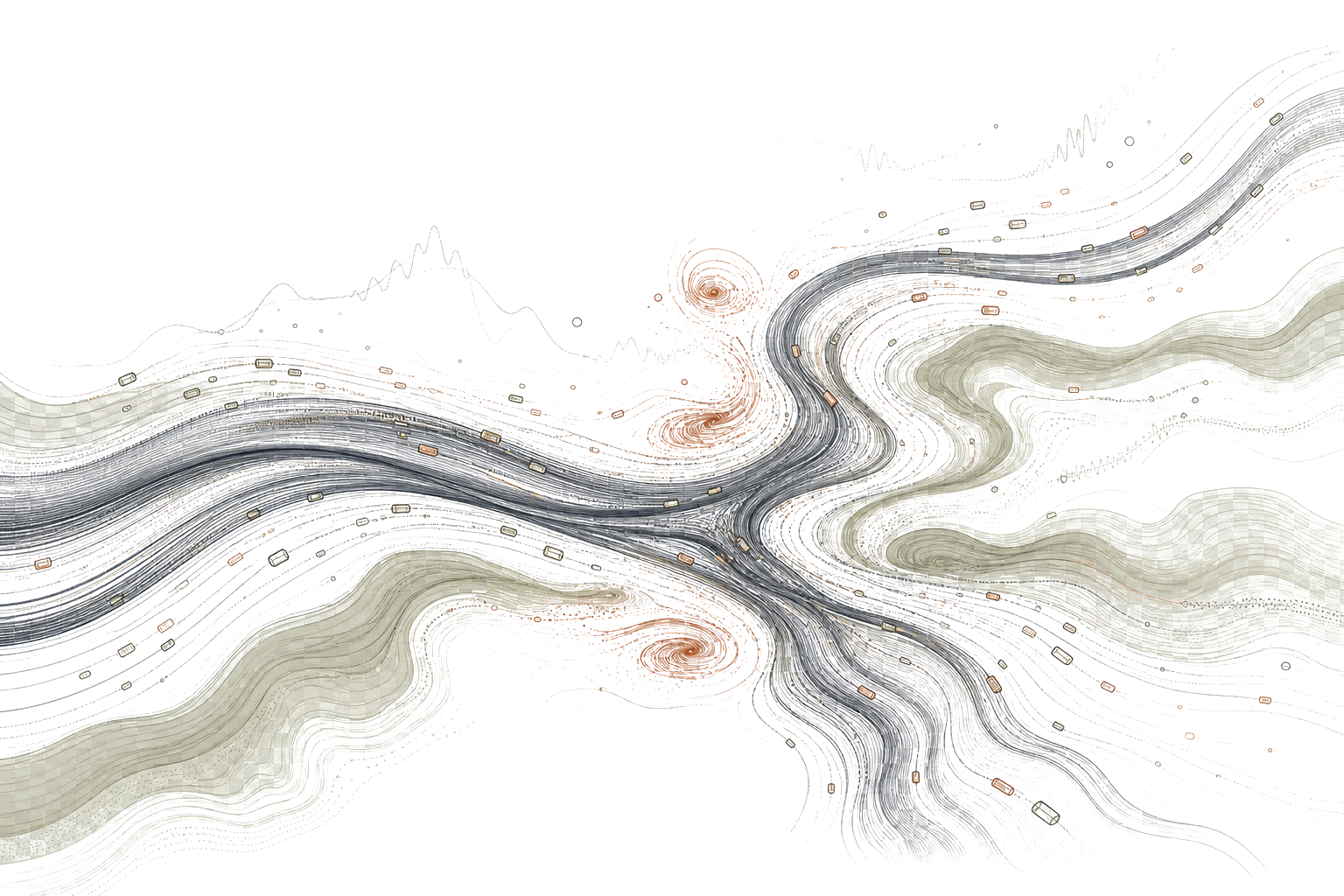
Agent telemetry
Trace records for prompts, tool calls, approval decisions, exceptions, spend, and operator feedback.
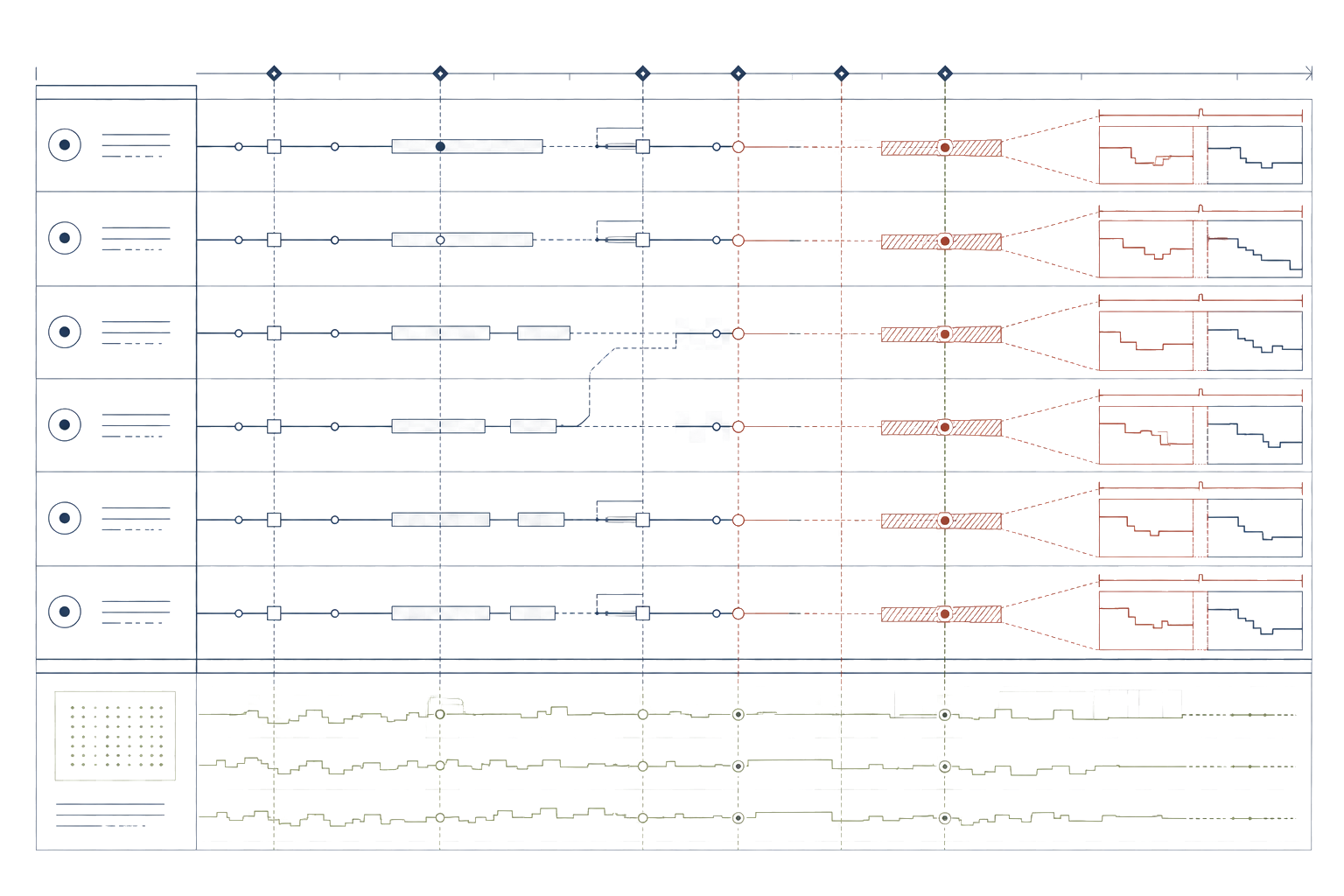
Evals and test harnesses
Scenario packs for accuracy, policy adherence, prompt-injection resistance, and regression checks.
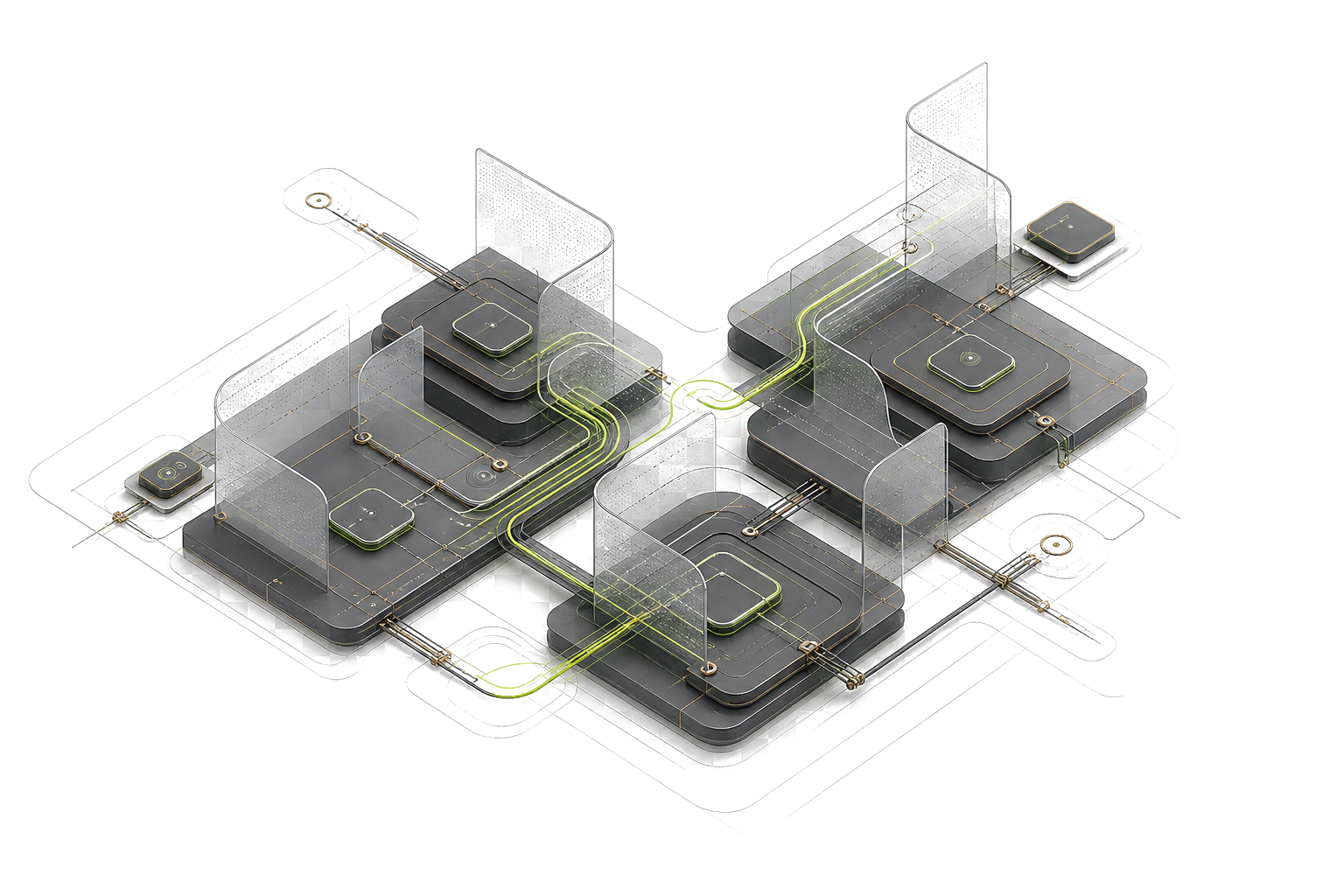
Governance layer
Ownership, risk tiers, access rules, model/provider records, review cadence, and incident routines.

Secure architecture
Least privilege, scoped secrets, user-context execution, audit trails, monitoring, and rollback paths.
Why agent pilots fail
Most failures come from the surrounding system, not the model alone.
Broad tool access
No approval checkpoints
No audit trail
No evaluation suite
Unclear ownership
No rollback path
Weak prompt-injection testing
No cost or latency telemetry
Production Agent Control Model
Define the operating envelope before autonomy expands.
This direction presents Maze Tech as an operating control layer: every agent has a boundary, every action has a route, every exception has evidence.
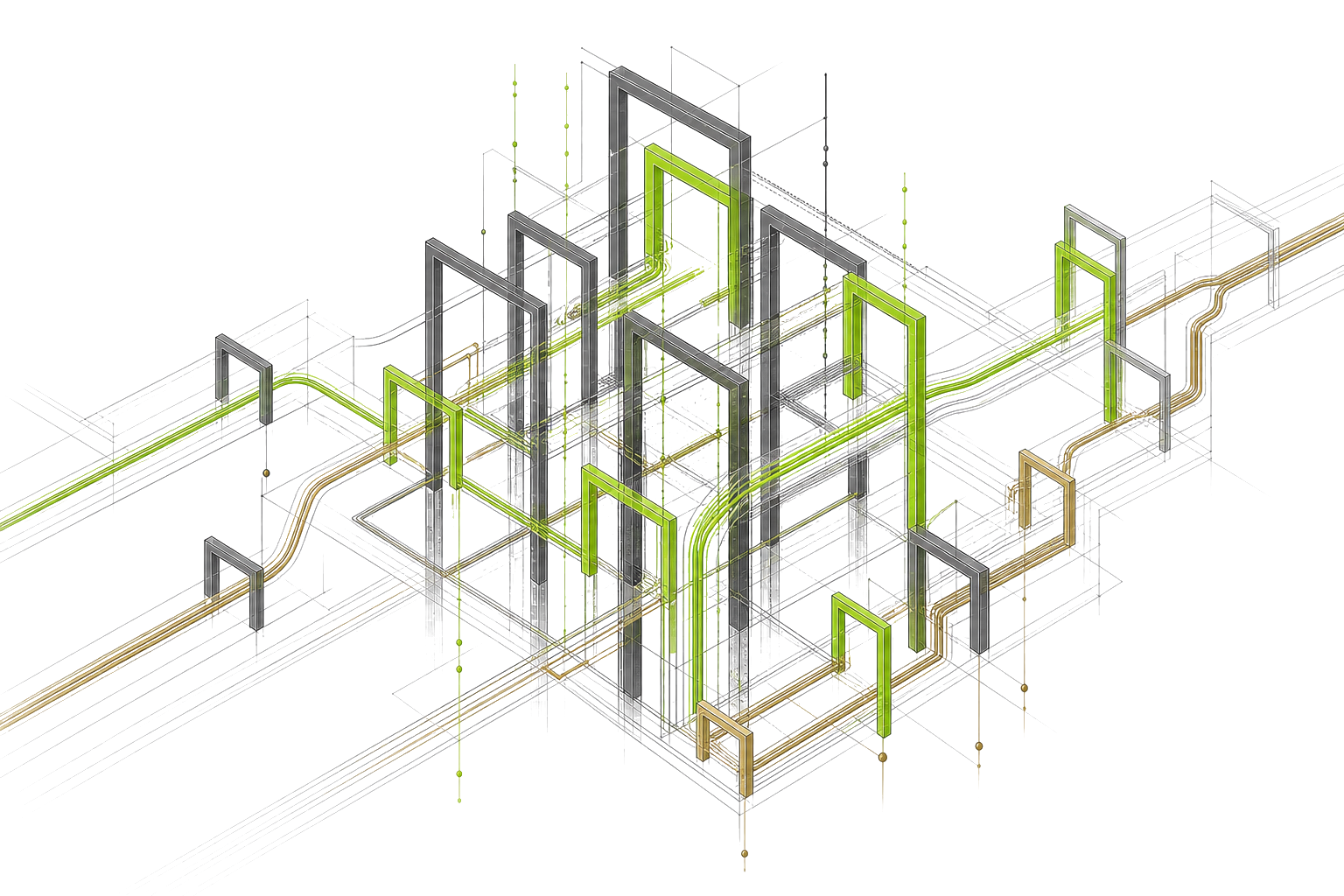

Use-case boundary
Define the workflow, decisions, data sources, and actions that stay human-only.
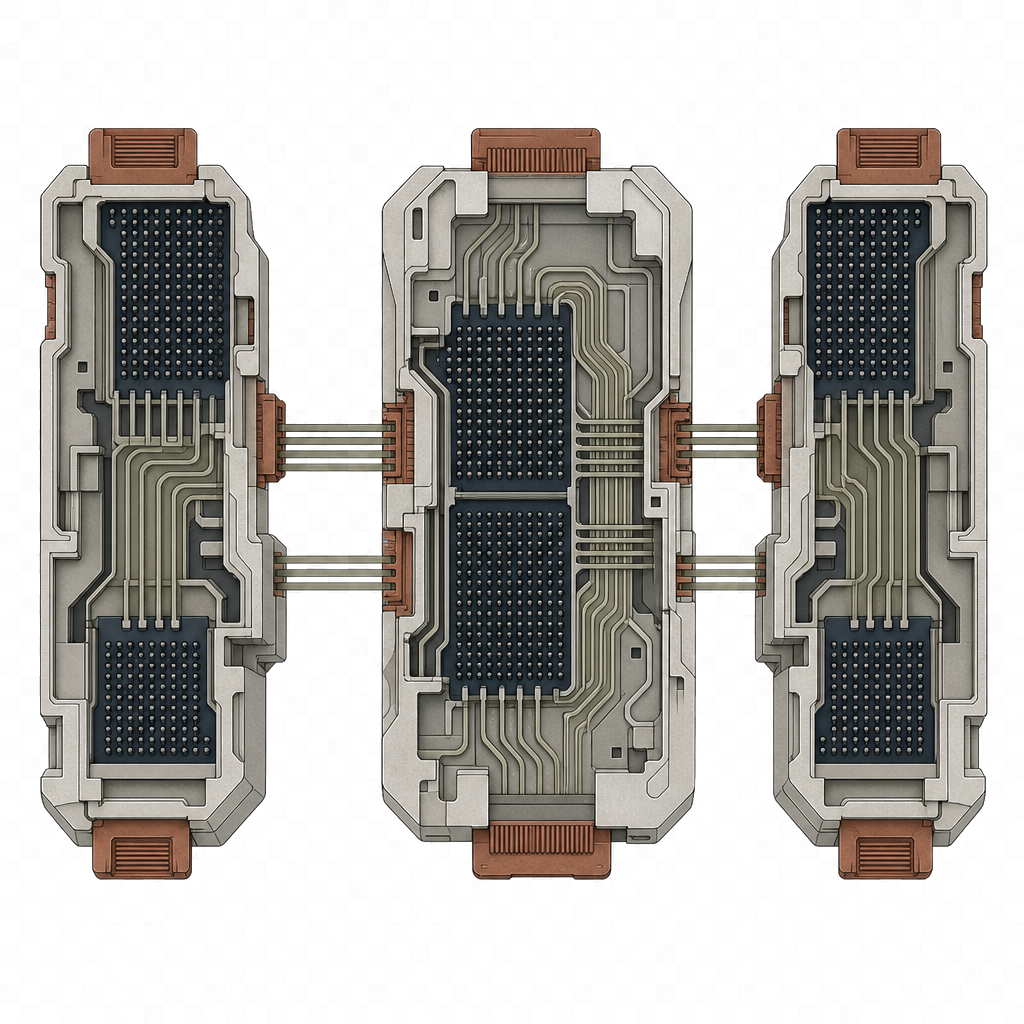
Tool contracts
Limit each agent to named systems, schemas, permissions, and failure behavior.
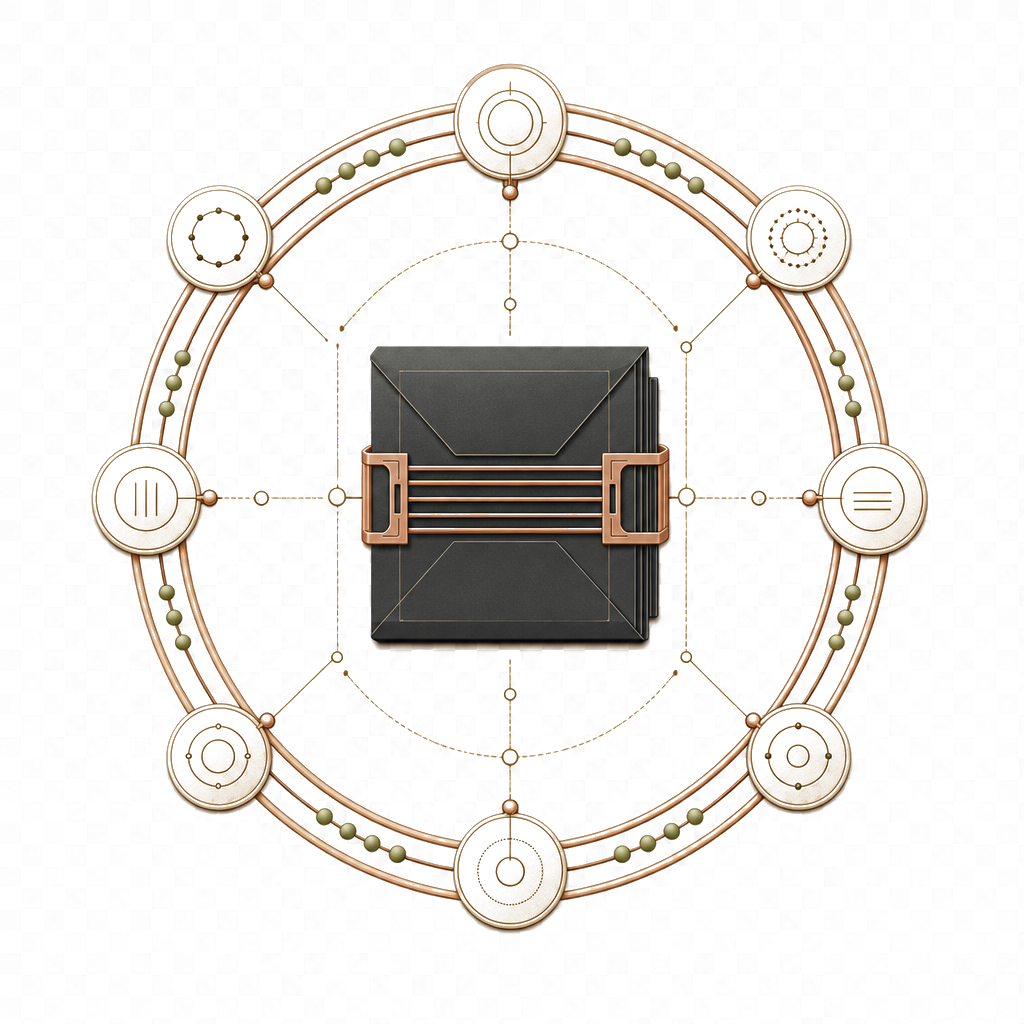
Approval map
Route sensitive, costly, customer-facing, or irreversible actions to named reviewers.

Telemetry trail
Record inputs, tool calls, approvals, exceptions, cost, latency, and feedback.
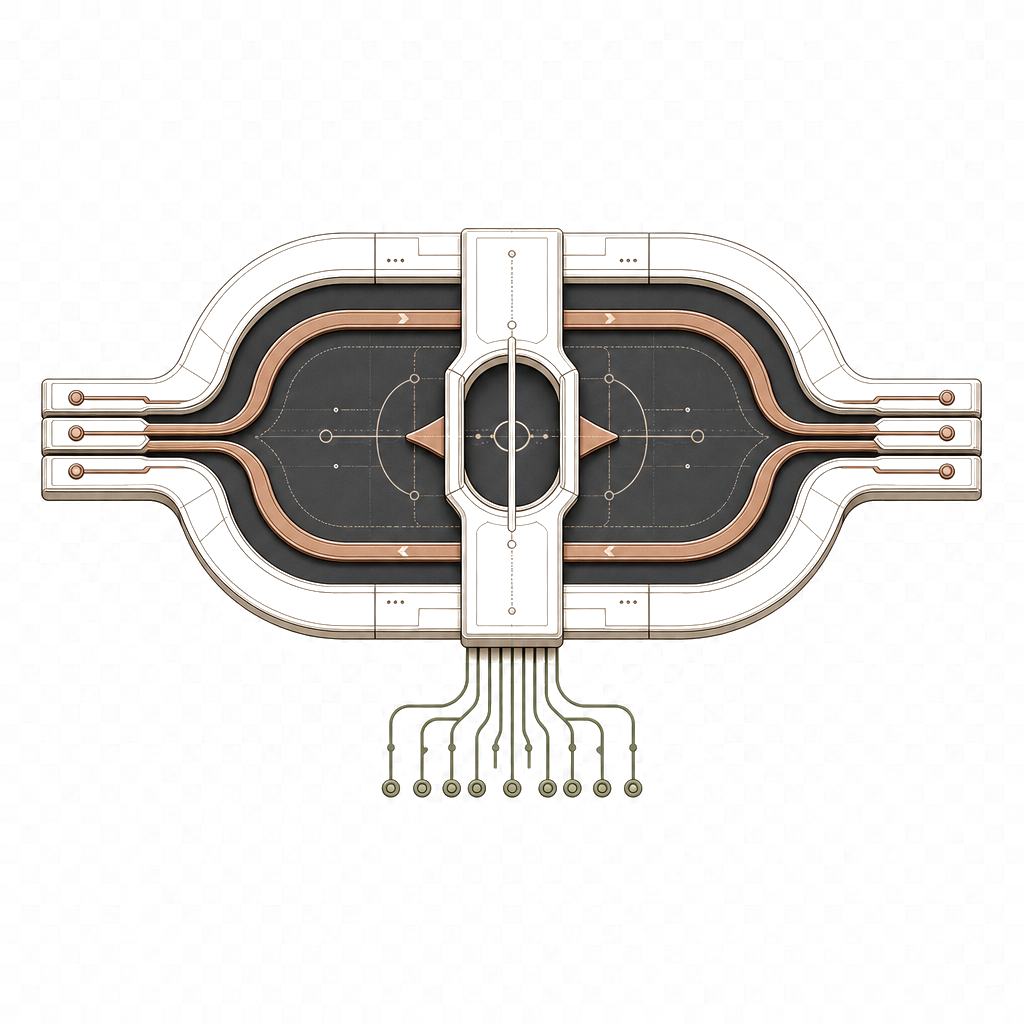
Evaluation suite
Replay real cases against policy, source grounding, refusal behavior, and regressions.

Lifecycle owner
Assign risk rating, review cadence, change control, incident path, and retirement criteria.
Where to start
Choose workflows where oversight, evidence, and cycle time matter.
Operations
Internal request triage, exception handling, SOP-guided work, supplier document processing, report packs.
Customer operations
Support triage, complaint classification, call/email summaries, approved response drafting.
Finance and admin
Invoice extraction, reconciliation support, procurement research, policy-guided approvals.
Sales and revenue ops
Account research, proposal drafts, CRM hygiene, sales-call intelligence, tender support.
Compliance and risk
Policy lookup, control evidence collection, audit-prep workflows, regulatory monitoring.
Governance and security
Designed for POPIA-aware, audit-ready operation.
Maze Tech designs agentic systems with data boundaries, scoped permissions, approval thresholds, trace records, and review artifacts that executives, IT, risk, and compliance teams can inspect.
Engagement model
A phased path that reduces purchase risk.
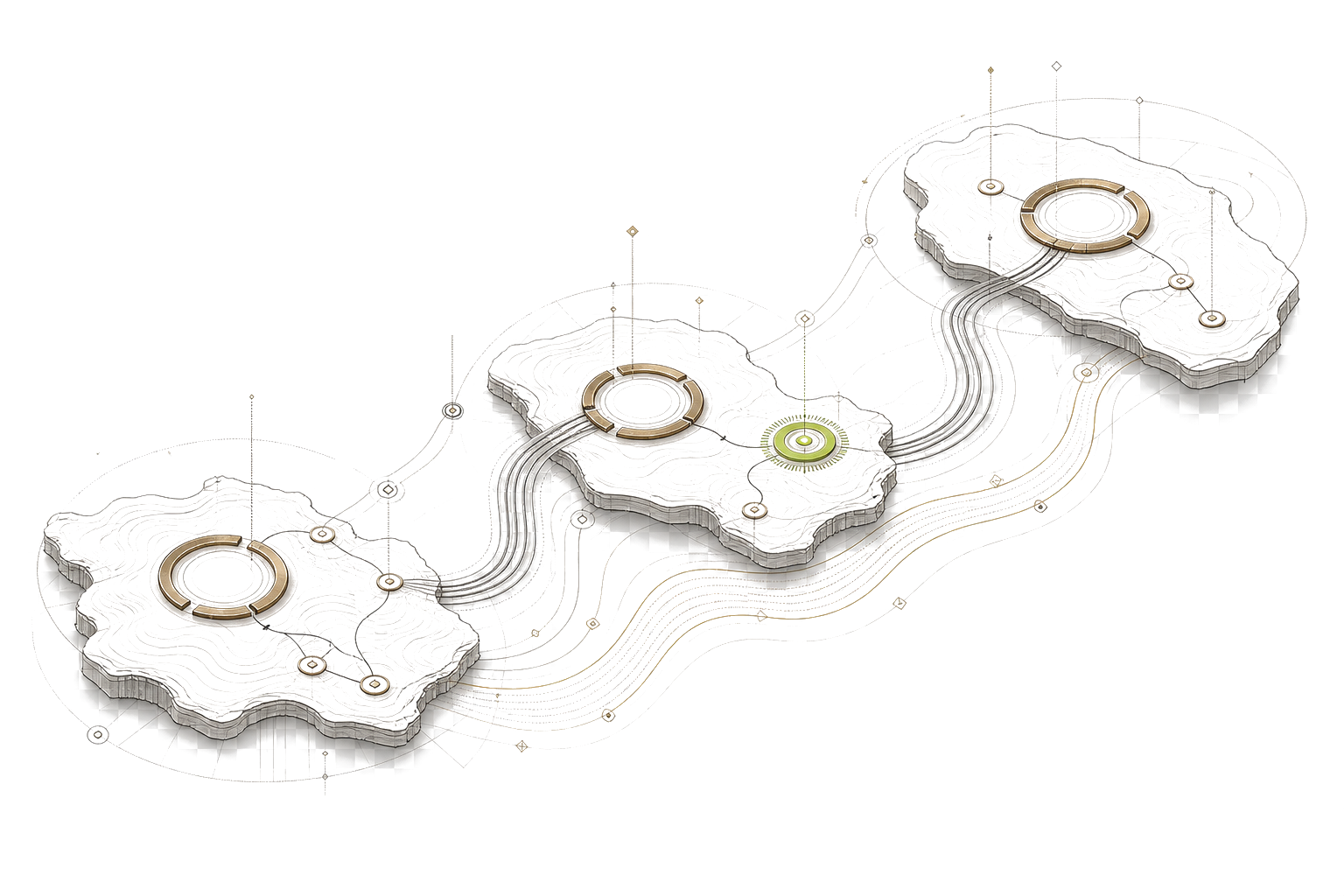
Agentic Systems Assessment
AI opportunity and exposure scan, workflow shortlist, data/tool review, governance-readiness check, and priority roadmap.
Controlled Pilot
One bounded workflow, named users, limited tool access, approval gates, telemetry, evals, and production-readiness report.
Production Build
Secure architecture, integrations, eval suite, observability, governance documentation, and deployment support.
Operate and Improve
Monitoring, incident review, eval updates, model/provider changes, governance reviews, and backlog management.
Proof without invented claims
When client metrics are not public, show the artifacts buyers can inspect.
Maze Tech should earn trust through the shape of the work: control documents, eval packs, telemetry models, architecture traces, and a private technical walkthrough.

Market context used in the strategy
The content is grounded in buyer concerns, not AI hype.
South African GenAI adoption has outpaced strategy and guardrails
World Wide Worx / Dell / Intel SA GenAI Roadmap 2025 reports widespread adoption with limited company-wide strategy and guardrails.
Agentic AI needs identity, guardrails, observability, and lifecycle management
AWS Prescriptive Guidance frames agents as production-grade services, not isolated model deployments.
Agent value depends on workflow redesign and governance
McKinsey argues ROI comes from embedding agents into core workflows with feedback loops and governance.
Autonomy creates new risk classes
OWASP Excessive Agency guidance recommends least privilege, limited tools, human approval, and monitoring.
Human oversight remains important in South Africa
POPIA section 71 requires care around solely automated decisions with legal or substantial effects.
Questions buyers ask
Answer the concerns before procurement has to ask.
We are not ready for AI agents.
You may not be ready for full autonomy. You are ready to map current AI use, choose one safe workflow, and define the guardrails.
Our data is messy.
Start with a bounded workflow, approved sources, narrow tool access, and measurable outputs. Data readiness is assessed per workflow.
Compliance will block this.
Uncontrolled AI creates the risk. Governed systems reduce it with data boundaries, logging, approvals, and incident paths.
We already use Copilot or ChatGPT.
General tools are not governed agentic systems. Maze Tech builds workflow-specific agents with tool contracts, traces, evals, and approval gates.
What if the agent takes the wrong action?
High-impact actions should not be fully autonomous. They should pass through policy checks, scoped permissions, rate limits, and human approval.
How do we prove ROI?
Start with one measurable workflow: manual touches, cycle time, backlog, response time, review load, or evidence collection effort. Baseline before promising ROI.
Next step
Book an Agentic Systems Assessment.
Bring one workflow, one risk concern, or one internal AI problem. Maze Tech will help define the operating boundary, first pilot path, and governance artifacts needed to proceed.
Start the assessment brief→